
The BEMCP
Conventional electromagnetic compatibility standards were designed to prevent interference between devices. They were not designed to protect biological systems. The BEMCP sets a different standard: one built on electromagnetic hygiene, LEDNA-guided exposure reduction, and verified bio-compatibility.
Why Electromagnetic Compliance Matters
The scientific literature documents a growing body of evidence linking prolonged exposure to artificial EMF with a range of biological effects. Traditional EMC standards do not address these concerns. BEMCP was built to fill that gap.
What Makes BEMCP Different
Standard EMC certification asks whether a device interferes with other devices. BEMCP asks whether an environment interferes with human biology. That distinction drives every element of the program.
Bio-Compatible Standards
Reduction of Artificial Quantum Noise (AQN) from non-native EMFs and near-field emissions follows the LEDNA Principle, EFEIA's framework for bio-compatible exposure management.
Scientific Validation
Biophysical testing assesses stress biomarkers in individuals exposed to BEMCP-certified environments. Certification is not self-reported; it is verified.
Clean Energy Protocols
BEMCP includes advanced management of harmonics and transients (dirty electricity), addressing a source of artificial EMF that most certification programs ignore entirely.
SPIRO® Material Integration
BEMCP evaluations account for the integration of SPIRO® nanocomposite technology, which depolarizes electromagnetic disturbances without blocking signal transmission.
Electromagnetic Hygiene Practices
The program promotes concrete best practices in manufacturing, space design, and infrastructure planning to reduce unnecessary exposure at the source.
BEMCP Accreditation Categories
Today, BEMCP certifies spaces: the built environments where people live, work, learn, and recover. Accreditation programs for technology, food and organic production, and industrial processes are currently in development and will be announced as they launch.
Accreditation for Spaces
Many sustainability certifications assess energy use and construction materials. Few address the electromagnetic environment inside a building. BEMCP evaluates the full spectrum of artificial EMF sources present in a space: radiofrequency from wireless infrastructure, extremely-low-frequency fields from electrical wiring, dirty electricity from harmonics and transients, and more.
Certified spaces include homes, offices, schools, hospitals, and public facilities. Evaluation follows the seven BEMCP categories, with certification levels ranging from Bronze through Platinum.
Accreditation for Technologies
Standard EMC testing confirms that a device does not interfere with other devices. It does not assess AQN, near-field emissions at biological proximity, or non-thermal physiological effects. The BEMCP technology program will introduce evaluation criteria designed to address these gaps, bringing bio-compatibility standards to consumer electronics, medical devices, and telecommunications equipment.
Accreditation for Food & Organic Production
Agricultural and food production environments are increasingly affected by artificial EMF from nearby infrastructure and on-site technology. BEMCP will extend its framework to farms, livestock facilities, and production environments where the electromagnetic conditions of the growing and processing space directly affect product quality and ecosystem health.
Accreditation for Industrial Processes
Manufacturing and industrial processes generate significant electromagnetic pollution as a byproduct. The BEMCP process accreditation will provide standards and verification pathways for organizations seeking to reduce artificial EMF output at the operational level, covering production workflows, equipment configurations, and facility design.
Do you have a space, technology, production process, or food product you want to certify?
Apply NowWhat Is the EHC Seal?
The Electromagnetic Hygiene Certification (EHC) Seal is awarded to spaces, technologies, and infrastructure that complete the BEMCP evaluation process and meet the required compliance level. It is a formal, independently verified mark of bio-compatible electromagnetic hygiene.
The seal is not issued on a self-declaration basis. Achieving it requires completing the full evaluation and reaching the minimum certification threshold.
- Electromagnetic pollution minimized through optimized design and materials
- Proactive energy management controlling harmonics and dirty electricity
- LEDNA Principle applied for spatial distancing and mitigation planning
- SPIRO® and complementary EMF filtering solutions integrated where applicable
Five Tiers, One Seal
Every certified space carries the EHC Seal at one of five tiers, set by its score across the seven BEMCP categories. Bronze marks a verified baseline. Platinum marks the highest standard.
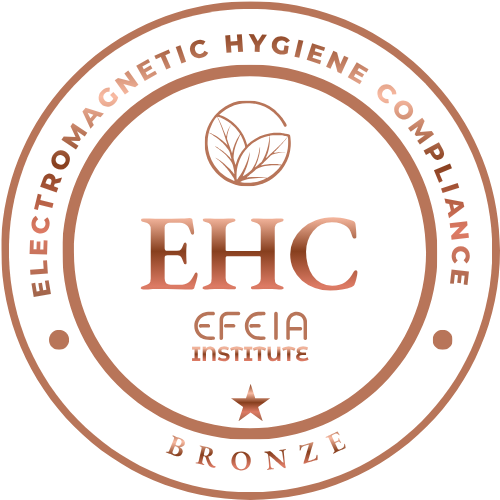
Bronze
A verified baseline of electromagnetic hygiene.
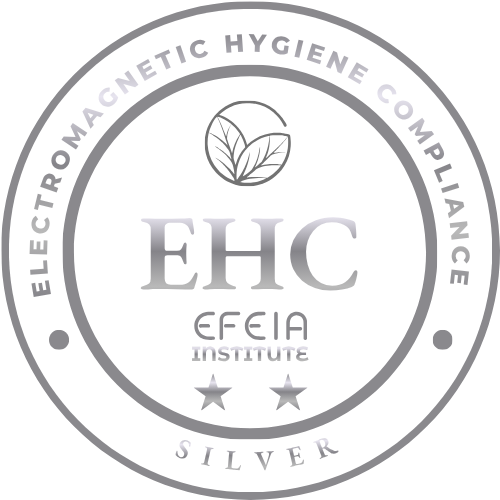
Silver
Measured reductions across multiple categories.
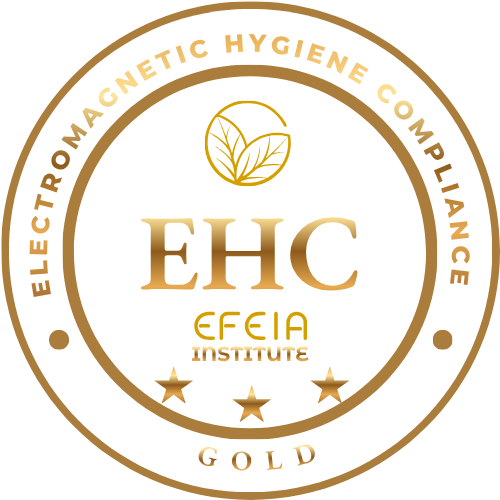
Gold
Strong performance across the full evaluation.
Diamond
Advanced control across nearly every category.
Platinum
Verified excellence across all seven categories.
See where the seal lives
Certification is not theory. Real environments have been measured, remediated, and verified under the BEMCP. Explore the spaces that carry the EHC Seal and what their evaluations found.
The Benefits of EHC Certification
Extended Durability
Quality materials and reduced electromagnetic stress translate to longer device lifespans and less waste over time.
Greater Energy Efficiency
Optimized power management reduces harmonics, lowers operational costs, and cuts environmental impact.
Reduced RFI and EMF Exposure
Improved electromagnetic field management creates measurably safer exposure conditions for occupants and users.
Health and Well-Being
Certified environments support cognitive function, sleep quality, and biological resilience for the people who occupy them.
Eco-Conscious Development
Certification criteria include protections for pollinators and sensitive ecosystems, connecting human health to ecological health.
Credibility and Recognition
The EHC Seal demonstrates a documented commitment to bio-compatible design, verifiable by clients, tenants, and stakeholders.
Apply for an EHC Seal Under the BEMCP
Are you a consultant, property owner, developer, or organization seeking to verify that your space meets bio-compatible electromagnetic hygiene standards? Start the certification process today.