by adminefeia | Aug 13, 2026 | Terra
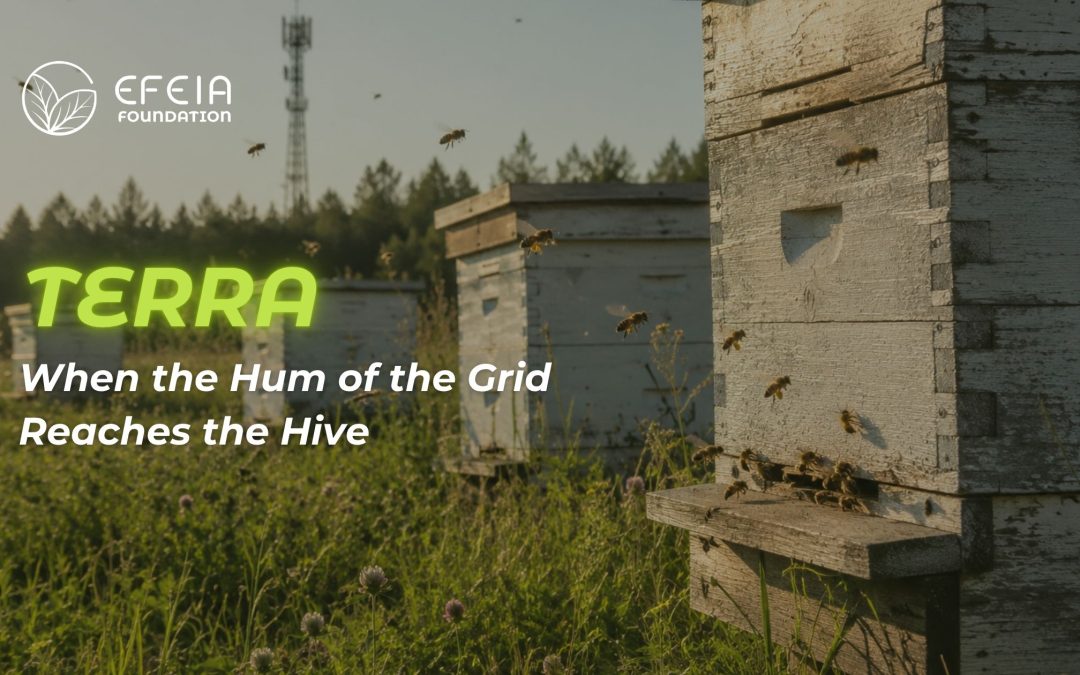
In Switzerland in 2010 and 2011, a researcher named Daniel Favre placed active mobile phones near five healthy beehives and recorded the sound the bees made. After roughly 25 to 40 minutes of exposure, the bees began to produce a distinctive vocalization called worker...
by adminefeia | Jun 23, 2026 | Uncategorized
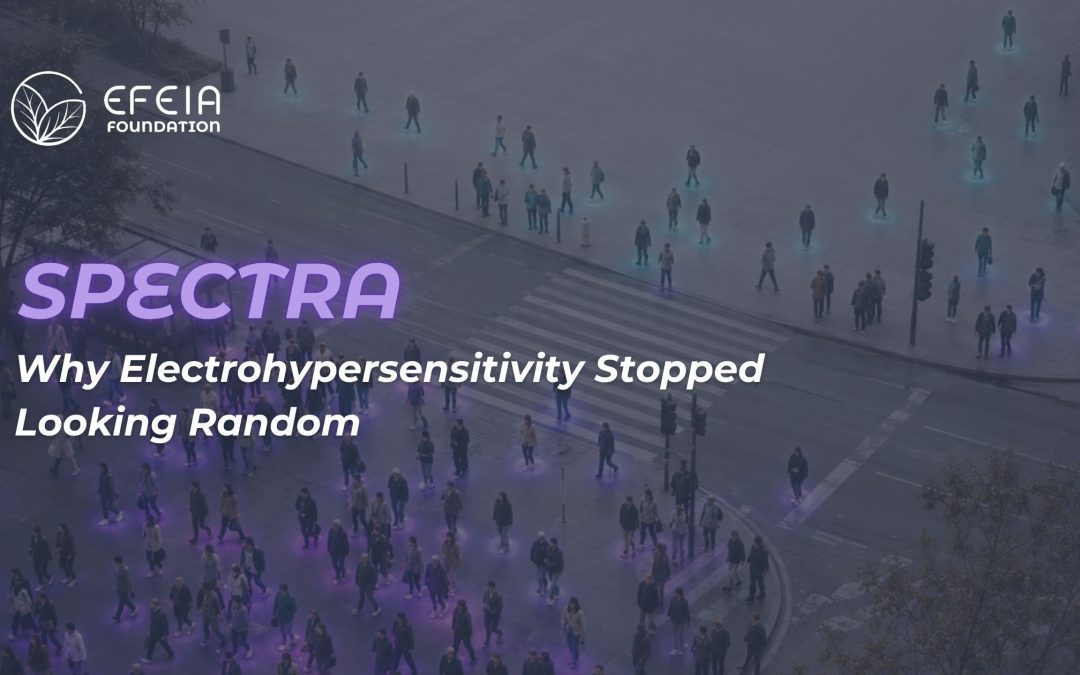
The first finding in the 2025 EHS Global Census that stopped us was the gender split. Of the participants who scored in the severe range for electrohypersensitivity symptoms, 88% were women. That number is not a footnote. It is a clue to the mechanism, and it is the...
by adminefeia | Jun 19, 2026 | EHC, Press Release
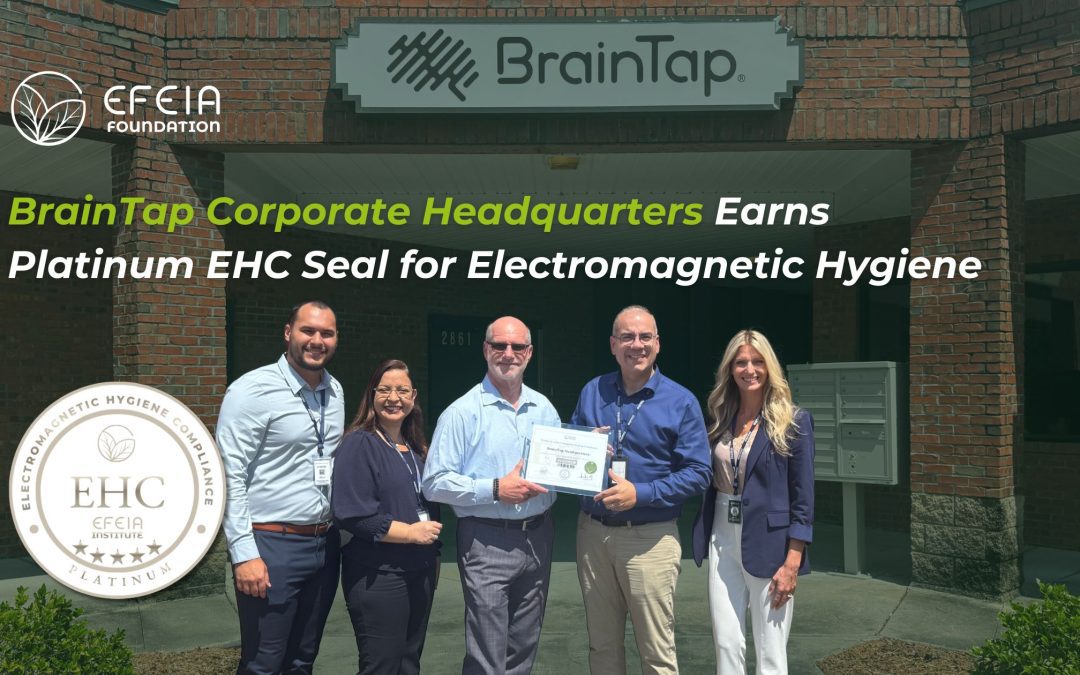
The EFEIA Foundation certifies the New Bern facility under the Bio-Compatible Electromagnetic Compliance Program, with verified reductions in electromagnetic pollution across all 24 of its zones. NEW BERN, North Carolina. June 18, 2026. The EFEIA Foundation has...
by adminefeia | Jun 3, 2026 | Uncategorized
The science of electromagnetic exposure is older than most people assume. The first guidelines limiting human exposure to non-ionizing radiation were drafted in the 1970s. The radical pair mechanism that may underlie biological magnetoreception was proposed in 1978....
by adminefeia | May 14, 2026 | Uncategorized
You can put your phone in airplane mode. You can ground yourself barefoot on grass. You can choose wired connections, manage your light after sunset, move your workstation away from the electrical panel. All of it works. All of it is backed by peer-reviewed evidence....