
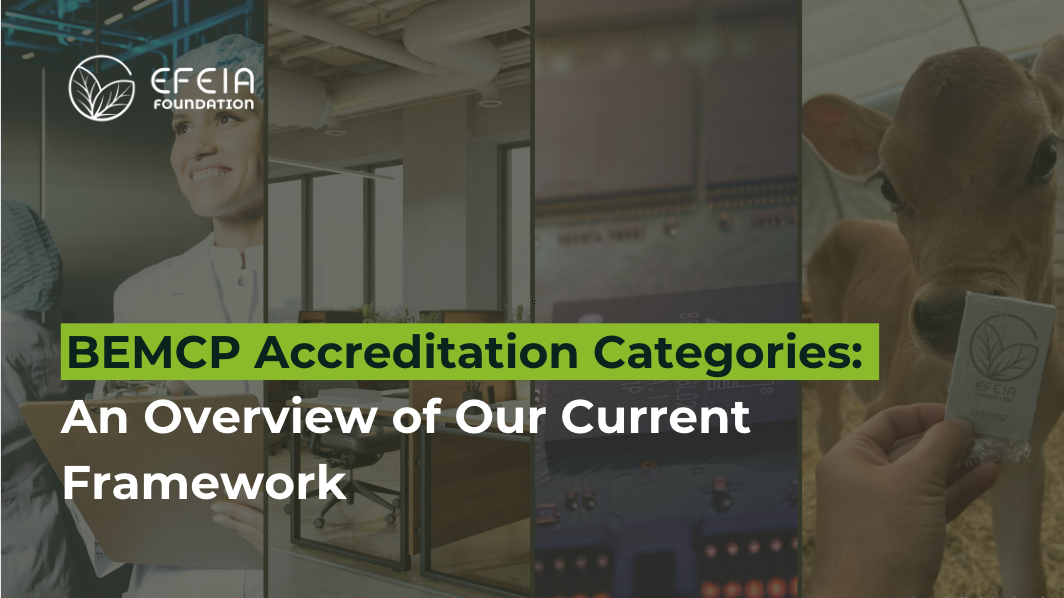
The Bio-Compatible Electromagnetic Compliance Program (BEMCP) is developing certifications across multiple categories to provide a comprehensive approach to electromagnetic hygiene in our increasingly connected world.
As this accreditation continues to evolve based on research and practical application, these categories represent our current framework for addressing electropollution across different domains.
Accreditation for Spaces
The BEMCP’s most extensively developed category focuses on creating electromagnetically healthy environments where people live, work, and learn.
The Gap in Current Certifications
Many existing eco-certifications prioritize important environmental factors but fail to account for electropollution. Without a unified standard for defining an electromagnetically healthy environment, current approaches often lead to inconsistent criteria and ineffective solutions. For example, the document mentions that some widely promoted solutions like Faraday cage-style shielding have been shown through EFEIA Institute research to potentially introduce new long-term health risks rather than effectively mitigating artificial quantum noise (AQN).
The BEMCP Approach to Spaces
BEMCP takes a holistic approach to creating electromagnetically safe spaces while considering their interaction with surrounding environments. The certification applies to:
- Homes: Creating safe living environments, with particular attention to sleeping areas
- Workplaces: Ensuring electromagnetic hygiene in offices and commercial settings
- Hospitals: Protecting vulnerable patients and sensitive medical equipment
- Schools: Safeguarding developing nervous systems in educational environments
- Public Infrastructure: Addressing electromagnetic hygiene in shared spaces
This comprehensive approach ensures that electromagnetic safety is prioritized in the environments where people spend most of their time, providing a framework for both new construction and retrofitting existing spaces.
Accreditation for Technologies
The second accreditation category addresses the technologies that generate electromagnetic fields in our environments.
Beyond Traditional EMC Testing
Traditional EMC (Electromagnetic Compatibility) standards were designed to prevent interference between electronic devices but do not assess artificial quantum noise (AQN) or consider biological responses to electromagnetic exposure. Furthermore, conventional EMC tests are typically conducted in isolated environments that fail to reflect the complexity of real-world EMF emissions, leaving significant gaps in safety evaluations.
The BEMCP Technology Assessment System
BEMCP fills these gaps by introducing a comprehensive assessment system that:
- Evaluates emissions in real-world conditions rather than isolated test environments
- Tests biological responses to technology-generated EMFs, not just device interference
- Accounts for non-thermal health effects typically ignored by standard guidelines
- Provides a practical framework for technology manufacturers to improve product design
This accreditation applies to a broad spectrum of technologies, including:
- Consumer electronics and communication devices
- Smart home systems and infrastructure
- Medical equipment and monitoring systems
- Office technology and workplace equipment
By certifying technologies that meet bio-compatible electromagnetic standards, BEMCP helps consumers and organizations identify products designed with electromagnetic hygiene as a priority while encouraging manufacturers to adopt healthier design practices.
Accreditation for Food & Organics Production Processes
The third category acknowledges the growing awareness of how electromagnetic environments might affect agricultural and food production.
Meeting Producer Demand
According to the document, demand for EMF-conscious agricultural and food production environments has been growing. Many farmers, ranchers, and producers have already implemented advanced mitigation strategies and reported significant improvements in both product quality and production efficiency.
BEMCP for Agricultural Environments
This accreditation covers:
- Farms: Ensuring electromagnetic hygiene in growing environments
- Livestock Facilities: Protecting animal health and productivity
- Agricultural Environments: Creating optimal conditions for biological systems
- Early-Stage Food Processing: Maintaining EMF safety throughout dairy, meat, and grain processing
The document specifically mentions that some specialized production processes, such as sourdough fermentation, have already demonstrated benefits from controlled electromagnetic environments. These implementations incorporate structured ingredient selection and SPIRO fields to optimize nutritional value and biological viability.
By certifying agricultural and food production environments, BEMCP helps ensure that the spaces where our food originates meet strict electromagnetic hygiene standards, potentially influencing both product quality and production efficiency.
Accreditation for Food Products
The final accreditation category extends electromagnetic hygiene principles to finished food products.
The Electromagnetic Journey of Food
Recent research suggests that electromagnetic exposure can influence food quality, storage stability, and biological integrity throughout the production chain. The BEMCP provides accreditation for finished food products, verifying that they comply with bio-compatible electromagnetic safety standards.
Comprehensive Supply Chain Management
This certification applies to:
- Packaged and processed foods
- Products where EMF hygiene in manufacturing is crucial
- Storage and transportation systems for food products
- Complete supply chain management from production to consumption
By setting standards for electromagnetic-safe supply chain management, BEMCP helps ensure that food remains free from unwanted electromagnetic contamination throughout its journey from farm to table.
The EHC Seal: Recognition of Excellence
Spaces, technologies, production processes, and food products that successfully meet BEMCP standards can earn the Electromagnetic Hygiene Compliance (EHC) Seal. This formal recognition is only granted after completing the BEMCP evaluation process and achieving the required compliance level.
Certified entities demonstrate their commitment to:
- Minimizing electromagnetic pollution through optimized design and materials
- Implementing proactive energy management to control harmonics and reduce dirty electricity
- Following the LEDNA principle for spatial distancing and mitigation
- Integrating AQN filtering solutions
The EHC Seal offers numerous benefits beyond certification, including extended product durability, greater energy efficiency, reduced EMF exposure, enhanced health and wellbeing, and eco-conscious development that protects biodiversity.
An Evolving Framework
These accreditation categories represent BEMCP’s current approach to electromagnetic hygiene, developed through ongoing research and real-world application. As our understanding of electromagnetic interactions with biological systems deepens and as implementation reveals practical insights, these categories and their criteria will continue to evolve and refine.
We welcome feedback from practitioners, researchers, and certified entities as we work together to establish increasingly effective standards for electromagnetic hygiene across all domains of modern life.
For more information about BEMCP accreditation categories or to apply for certification, visit efeia.org/bemcp.